
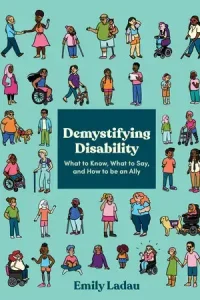
Demystifying Disability
What to Know, What to Say, and How to Be an Ally
Emily Ladau
Ten Speed Press (2021)
- Social
- Book, Premium Content, Resource Summary
Key Takeaways
- Disability is a natural part of the human experience. Understanding this helps shift the focus from “fixing” people to removing barriers in society.
- Language matters. Use clear terms like disability, respect individual preference for person‑first (“person with FND”) or identity‑first (“disabled person”) language, and skip euphemisms such as “differently abled.”
- Spot and stop ableism. Ableism shows up in everyday attitudes, environments, and policies. Recognizing it is the first step toward creating genuinely accessible spaces.
- Accessibility is a right, not a bonus. From captioned videos to flexible schedules, small adjustments ensure disabled people receive the same access and treatment as everyone else.
- Allyship means acting with, not for. Center disabled voices, advocate alongside them, and push for equal pay and opportunity.
Click to read full summary
The Essentials
Emily Ladau—a well‑known disability rights activist—offers a friendly roadmap for anyone who wants to understand disability, avoid missteps, and become a true ally. She grounds the conversation in civil‑rights history, exposes harmful stereotypes, and walks readers through practical “dos and don’ts” for everyday interactions. Her tone is candid yet encouraging: mistakes happen; learn, apologize, and try again.
Crucially, Ladau frames disability as a fluid state that many people will experience at some point in life. By combining critical theory with personal stories, she demonstrates that society must adapt to disabled people—not the other way around. The result is an engaging guide that leaves readers better equipped to build inclusive communities.
Why This Matters for FND
People with Functional Neurological Disorder often face skepticism about their symptoms and may struggle to identify as part of the disability community. Ladau’s book:
- Validates invisible disabilities. Non‑apparent conditions, such as FND, are just as legitimate as visible ones.
- Provides language for self‑advocacy. Clear, respectful wording helps during medical appointments, workplace conversations, or benefits applications.
- Equips care partners and friends. Practical etiquette tips reduce awkwardness and foster supportive relationships.
- Strengthens social and emotional wellness. Embracing disability identity (if it feels right) can ease internalized stigma and open doors to community resources.
Resource Qualities
Applicability:
Accessibility:
Evidence-Based:
Practical Value:
Practical Applications
For Individuals with FND
Low-Energy Days
- Listen to the audiobook’s introduction (≈ 15 min) and jot down one phrase you’d like clinicians to use when describing your condition.
Building Long‑Term Wellness
- Create a one‑page “Accessibility & Etiquette” sheet—drawn from the book’s tips—to share with new healthcare providers or employers.
For Care Partners
Supporting Your Loved One
- Ask, “Which terms feel most comfortable when we talk about your symptoms?”—then mirror that language.
Caring for Yourself
- Replace self‑criticism with Ladau’s allyship mindset: learn, adjust, move forward. Recognize your own growth as progress, too.
When This Is Most Helpful
- Newly diagnosed individuals clarifying identity and language.
- During advocacy moments—e.g., requesting workplace or school accommodations.
- For family/friends who want quick, concrete etiquette guidance.
This summary is provided for informational purposes only and does not constitute medical, financial, or legal advice. It is not intended to replace professional consultation or treatment. Always consult qualified healthcare providers regarding your specific circumstances, symptoms, or questions.