
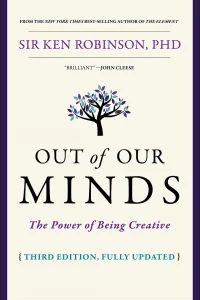
Out of Our Minds
The Power of Being Creative
Sir Ken Robinson, PhD
Capstone, 2017
- Emotional, Intellectual, Occupational
- Book, Premium Content, Resource Summary
Key Takeaways
- Exercise your imagination daily. Even five minutes of doodling, mindful day‑dreaming, or word‑play can stimulate the neural networks that support cognitive flexibility—an asset when symptoms disrupt routine.
- Creativity is a skill, not a trait. Everyone—regardless of illness severity—can learn simple techniques (brain‑storming, mind‑mapping, “what‑if” questions) to spark novel solutions to everyday FND challenges.
- Blend intellect and emotion. Robinson shows that separating head and heart stifles learning; integrating both can enhance self‑compassion and reduce symptom‑related stress.
- Question hierarchies. Valuing only “serious” tasks (housework, paid work) can leave you feeling unproductive during flares. Placing creative play on equal footing offers purpose and joy even on low‑energy days.
- Cultivate a supportive environment. Diversity, collaboration, and safe spaces nurture creativity—principles that also foster understanding within FND households and care teams.
Click to read full summary
The Essentials
Sir Ken Robinson argues that rapid technological and social change demands more than rote knowledge—we need the ability to imagine, create, and innovate. He traces how industrial‑age schooling narrowed our view of intelligence to standardized tests and “economically valuable” subjects, sidelining the arts and emotional development. Neuroscience now reveals that human intelligence is diverse, dynamic, and distinct—and creativity flourishes when we honor that diversity.
Robinson dismantles myths (“you’re either creative or you’re not”) and outlines how individuals, teams, and cultures can reclaim imagination through practice, collaboration, and supportive leadership. The book’s practical message—everyone has creative potential, and nurturing it is critical to wellbeing and progress—resonates powerfully with the FND community, where flexible problem‑solving and self‑expression often buffer symptom unpredictability.
Why This Matters for FND
FND symptoms can disrupt thinking, mood, and identity. Out of Our Minds reframes creativity as a trainable pathway to neuroplasticity and emotional regulation—both linked to symptom improvement in emerging research. By adopting small, enjoyable creative practices, people with FND can strengthen cognitive resilience, elevate mood, and reconnect with a sense of agency even when physical capacity fluctuates.
Resource Qualities
Applicability:
Accessibility:
Evidence-Based:
Practical Value:
Practical Applications
For Individuals with FND
Low‑Energy Days
- Two‑minute “what‑if” game: Pick an everyday object and list silly alternate uses—stimulates divergent thinking without physical effort.
- Color‑breathing doodles: Breathe in for four counts, breathe out as you trace a simple spiral. Combines paced breathing (nervous‑system calming) with creative play.
Building Long‑Term Wellness
- Weekly creativity slot: Schedule a 20‑minute art, music, or writing session. Treat it like medicine for your brain—consistency wires new neural pathways.
- Cross‑discipline learning: Explore a hobby outside your comfort zone (e.g., digital photography). Novelty challenges the brain and can reduce symptom‑related rumination.
For Care Partners
Supporting Your Loved One
- Joint idea‑storm: When planning around symptoms, invite your partner to co‑create alternate routines. Use sticky notes to visualize options—helps shift focus from limitations to possibilities.
For Your Wellbeing
- Creative self‑care break: Dedicate 10 minutes a day to a personal creative pursuit (crafting, music, gardening). Protecting your own creative time reduces burnout and models balanced wellness.
When This is Most Helpful
- Early in diagnosis—to counter feelings of lost identity and spark hope.
- During cognitive fog or mood dips—short creative bursts re‑engage the brain gently.
- For care‑partner fatigue—novel, shared activities rebuild connection and lighten the load.
This resource summary is provided for informational purposes only and does not constitute medical, financial, or legal advice. The content is not intended to replace professional consultation or treatment. Always consult qualified healthcare providers regarding your specific circumstances, symptoms, or questions.