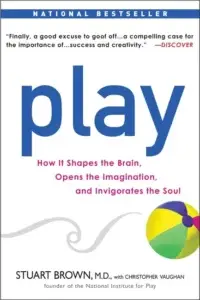
Play: How it Shapes the Brain, Opens the Imagination, and Invigorates the Soul
Stuart Brown and Christopher Vaughn
Avery/Penguin (2009)
Key Takeaways
- Play signals safety to your nervous system: Engaging in enjoyable activities shifts your body from “fight-or-flight” to “rest-and-digest,” potentially easing functional symptoms and reducing the intensity of flares.
- Movement-based play supports neuro-rehabilitation: Activities like gentle dancing, nature walks, or rhythm games combine repetition with enjoyment, enhancing motor relearning in a low-pressure way that complements formal therapy.
- Small moments of play rebuild identity: When FND challenges your sense of self, playful activities remind you that you’re more than your diagnosis and help reclaim confidence through success-oriented experiences.
- Shared play strengthens supportive connections: Laughter and lighthearted activities with others reduce isolation and invite the relationships that protect against depression and anxiety.
- Play is accessible at any energy level: You don’t need special equipment or perfect health. Even five minutes of doodling, listening to music, or playing a simple game can shift your nervous system state.
Click to read full summary
The Essentials
Play isn’t just for children—it’s a biological necessity that shapes our brains throughout life. Dr. Stuart Brown combines neuroscience research with real-world stories to demonstrate how playful activities boost neuroplasticity, regulate stress, and strengthen social bonds. For people with FND and their support partners, this book offers a refreshing perspective: joyful, spontaneous activities can help calm the nervous system, support motor relearning, and rebuild confidence while navigating functional symptoms.
"The truth is that play seems to be one of the most advanced methods nature has invented to allow a complex brain to create itself."
Dr. Stuart Brown, MD
Resource Qualities
Applicability:
Accessibility:
Evidence-Based:
Practical Value:
Practical Applications
For Individuals With FND
Low-Energy Days
Create a 5-minute “micro-play” break when symptoms flare—listen to a favorite song and sway gently, sketch a simple doodle, or play a calming phone puzzle to shift focus and reset your nervous system.
Building Long-Term Wellness
Schedule a weekly “play date with yourself” choosing activities that combine gentle movement with curiosity (like beginner tai chi in the park or trying watercolors). Keep a simple log of how different types of play affect your mood and symptom levels.
For Care Partners
Supporting Your Loved One
Invite lighthearted moments without physical demands—share a funny video, tell jokes, or play cooperative board games adapted to their current ability level. Celebrate small wins to reinforce confidence for both of you.
Caring For Yourself
Protect your own play time through activities like gardening, crafting, or sports with friends. This prevents caregiver burnout while modeling balanced wellness for your loved one.
"When we stop playing, we stop developing, and when that happens, the laws of entropy take over—things fall apart."
Dr. Stuart Brown, MD
When This is Most Helpful
This resource is particularly valuable for those newly diagnosed who need a hopeful, agency-building perspective beyond medical treatment. It’s also excellent during symptom management phases when you need quick, low-stakes tools for nervous system regulation, or when beginning to re-engage with movement therapy and looking for a fun bridge into graded exercise. Care partners learning to support someone with FND will find practical, non-clinical ways to maintain joy and connection throughout the journey.
Citation
Brown, Stuart, and Christopher Vaughan. Play: How It Shapes the Brain, Opens the Imagination, and Invigorates the Soul. Avery/Penguin Group, 2009.
Buy it on Amazon
Additional Resources
This video from a TED Talk features Dr. Stuart Brown discussing the importance of play and its role in human development. Stuart Brown: Play is more than fun
This summary is provided for informational purposes only and does not constitute medical, financial, or legal advice. It is not intended to replace professional consultation or treatment. Always consult qualified providers regarding your specific circumstances, symptoms, or questions.